
Why Is It So Hard to Rest Without Feeling Guilty?
It's a familiar situation: You know you need rest, but the moment you sit down, your mind floods with “shoulds.”
That's how it feels—even when every moment of your day is packed with activity, there's still an underlying sense that you're never doing enough.
You're exhausted on the inside, but can't seem to stop moving on the outside. Stillness feels uncomfortable. And rest? It feels like a luxury you don't deserve. Unsafe, even.
Maybe you want to rest—you know it's important. But the moment you try to slow down, intrusive thoughts surface, reminding you of everything you "should" be doing. A wave of guilt or the urge to get back up and "be productive" washes over you.
You try to relax… but end up tidying a drawer or cleaning the kitchen, because doing something feels safer than doing nothing.
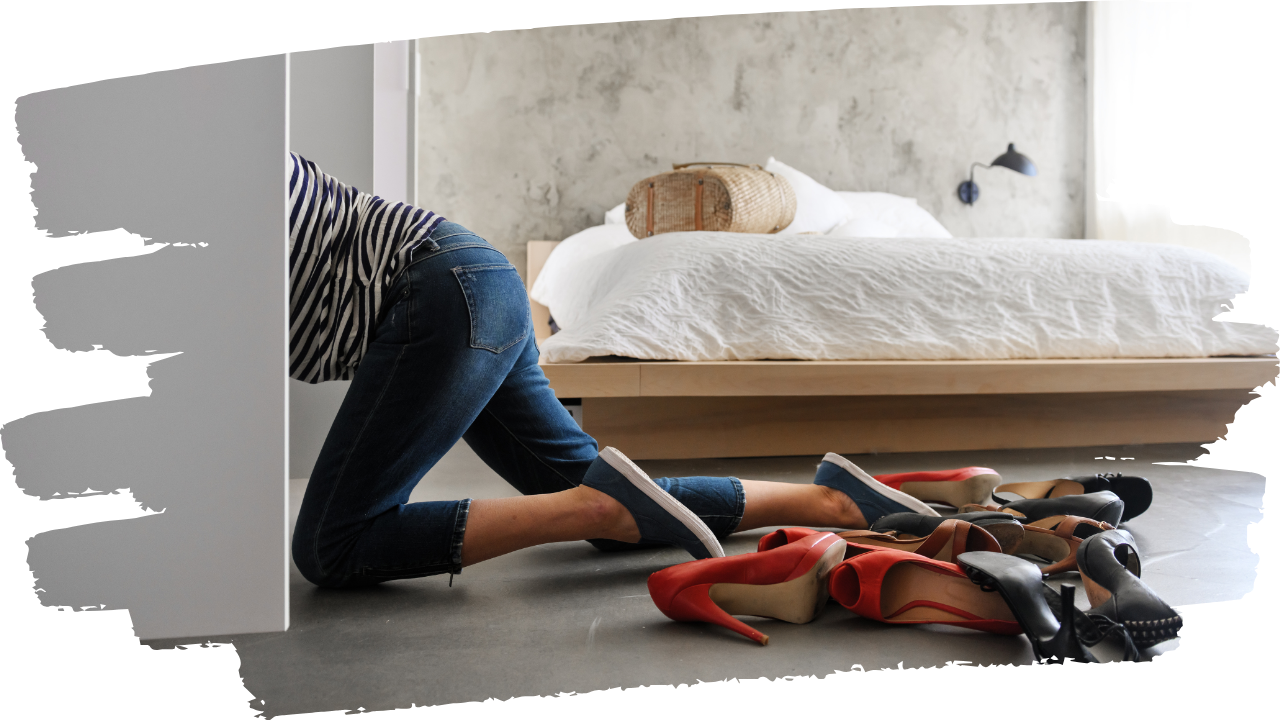
For many women, downtime isn't viewed as necessary nourishment—it's seen as an indulgence to be earned. Rest doesn't feel restorative; it feels indulgent or wrong. Like letting someone down, even when the house is quiet. Instead of recharging, stillness triggers discomfort, guilt, or shame.
A peaceful afternoon with a book feels wasteful—unless it's framed as self-improvement. Watching a show gets interrupted by multitasking thoughts. Even self-care turns into another thing to check off your list.
Underlying this pattern is constant pressure:
"If I slow down, something will fall apart… or someone will think less of me."
And beneath it, a quiet shame:
"Unless I'm constantly doing, I'm not enough."
Chasing permission to rest is more than just exhausting—it's lonely, invisible, and disorienting.
If This Sounds Familiar, You’re Not Alone.
Many of the women I work with quietly struggle to allow themselves true rest because they can't stop feeling like they have to earn it.
Part of this struggle comes from conflicting cultural demands: We're praised for tireless productivity and caregiving, while craving a break that seldom feels deserved. The result? You're constantly "on," exhausted, and disconnected from your own needs—on a path to chronic exhaustion, emotional burnout, and a body that never truly resets.
And unless you address the roots of this rest-guilt, it won't matter how many candles you light or baths you take. Real rest will stay out of reach because the deeper issue remains untouched.
This is not a personal defect—it's a protective pattern. Your nervous system, shaped by upbringing and societal expectations, learned to equate rest with danger, not safety. With risk, not relief.

Table of Content
- Why Is It So Hard to Rest Without Feeling Guilty?
- If This Sounds Familiar, You’re Not Alone.
- The Hidden Reasons You Feel Guilty Slowing Down (And Why Your Nervous System Won't Let You Rest)
- What Changes When You Reclaim Rest (The Ripple Effects You Haven't Considered)
- Three Trauma-Informed Steps to Release Guilt Around Rest (Science-Backed Strategies That Actually Work)
- Step 1: Understand Where the Guilt Comes From—So You Can Soften It
- Step 2: Use Micro-Moments of Rest to Rebuild Nervous System Safety
- Step 3: Reframe Rest as Radical Self-Respect (And Essential Nervous System Maintenance)
- Common Questions About Overcoming Rest Guilt
The Hidden Reasons You Feel Guilty Slowing Down (And Why Your Nervous System Won't Let You Rest)

If you feel guilty when you slow down, it's not because you're "bad at relaxing." We live in a culture that glorifies busyness and ties worth to productivity. Everywhere you turn—social media, workplace culture, even family systems—there's an unspoken rule: If you're not constantly achieving, you're falling behind.
For women especially, the pressure is doubled. Many have been conditioned to care for everyone else first—keeping the house running, emotions managed, and relationships intact—often at the cost of their own wellbeing.
Add to that a world where notifications never stop, hustle is praised, and self-care is treated like a luxury instead of a necessity… and of course rest feels foreign. Or selfish. Or unsafe.
This isn't just personal. It's systemic.
You're not lazy. You're navigating a world that never taught you how to slow down safely—and often punished you when you tried.
Maybe you grew up in a home where hard work was praised but rest was frowned upon. Maybe you learned early that being helpful or "low-maintenance" kept you safe and loved. Maybe you've spent years in environments—workplaces, religious settings, even coaching culture—where over-functioning was normalized and your emotional needs were quietly dismissed.
And over time, your nervous system adapted. Constant doing became a survival strategy. Slowing down doesn't feel wrong because something is broken in you. It feels wrong because your body still believes it's protecting you.
This isn't about willpower. It's about nervous system patterns that were once necessary, but no longer serve you.
And the good news? With trauma-informed support and the right tools, they can change. Gently. Gradually. Without shame.

What Changes When You Reclaim Rest (The Ripple Effects You Haven't Considered)
When you stop "earning" rest and start allowing it, your body softens. Your mind quiets. You stop running on emotional fumes and start moving from clarity—not pressure.
You show up to your life, your relationships, your goals—with presence and steadiness, not just persistence. And maybe most importantly? You begin to feel safe in your own skin. The need for outside permission fades—you begin giving it to yourself.
But the changes go deeper than you might expect:
Your sleep quality improves because your nervous system learns to downregulate naturally. Decision-making becomes clearer when you're not operating from chronic stress. Relationships deepen when you're present instead of perpetually distracted by your mental to-do list.

One client I worked with—let’s call her Emma—came to me feeling like she could never enjoy an afternoon on the couch unless she was physically sick. She was always busy, always doing, and even small moments of rest felt “unproductive,” filling her with guilt.
Through my Inner Harmony program, which combines trauma-informed EFT Tapping and Inner Child Work, Emma was able to release the guilt and self-judgment that arose whenever she slowed down. Instead of just noticing her feelings, she experienced a real shift—resting no longer triggered shame, and she could respond to her body’s signals before exhaustion took over.
"I finally feel like I can rest without waiting to hit burnout first."
—Emma
As a result, Emma now enjoys regular, guilt-free rest. Her chronic tension headaches have disappeared, and she sleeps through the night for the first time in years—simply because she allows herself to slow down without judgment.
This nervous system transformation is possible for you too.

Three Trauma-Informed Steps to Release Guilt Around Rest (Science-Backed Strategies That Actually Work)
These are not surface-level tips. They are compassionate, body-based tools—rooted in nervous system science and emotional healing research.
If you're ready to start feeling calmer, more grounded, and truly rested, keep reading.
Step 1: Understand Where the Guilt Comes From—So You Can Soften It
Before you can shift how you feel about rest, you need to first understand why it feels uncomfortable or even wrong in the first place.
For many of my clients, guilt around rest isn't just about a long to-do list—it's often a symptom of deeper beliefs that were learned, not chosen. These beliefs are often formed in childhood or reinforced by cultural, religious, or family dynamics.
Maybe you were praised for being helpful but criticized for being "lazy." Maybe you watched your mother or caregivers never sit down. Maybe you learned early that being busy = being safe, loved, or worthy. When these beliefs run in the background, rest doesn't feel like self-care—it feels like breaking unspoken rules.
The Nervous System Connection: Your body stores these early experiences as protective patterns. When rest feels threatening, it's because your nervous system is still operating from old programming that equated stillness with danger or rejection.
What I Recommend:
Start with gentle awareness. The next time you try to rest, notice what thoughts or body sensations come up. Ask yourself:
-
What part of me is uncomfortable right now?
-
What "shoulds" are popping up?
-
Does this voice sound like mine—or someone I know?
-
If I could speak to this part, what might it be afraid of?
This isn't about blame. It's about curiosity—and curiosity softens shame. You might try writing down your inner dialogue. Even a sentence can reveal patterns. When you see it on paper, it's easier to remember: These thoughts aren't facts. They're old survival strategies.
Use a Gentle Reframe: Replace the old script with something new:
-
"I don't have to earn rest—I'm allowed to receive it."
-
"Rest isn't selfish. It's how I care for my nervous system."
-
"This is me unlearning hustle and choosing healing."
Try EFT Tapping for Rest Guilt: If you know EFT, start tapping while tuning into the discomfort. Sample setup: "Even though I feel guilty when I rest, I'm open to the idea that my worth isn't tied to productivity."
Let the feelings be there—tapping helps regulate your nervous system's response to these uncomfortable emotions.

How I Support Clients With This:
Breaking free from guilt around rest isn’t something most people can “think” their way out of. That’s why, in private coaching and my Inner Harmony program, I provide a safe, supportive space where you don’t just talk about change—you actually feel it happening in your body.
Here’s what that looks like in practice:
-
Releasing guilt at its source – With Advanced EFT Tapping, we gently access the parts of your nervous system that hold on to guilt, shame, and pressure. Instead of carrying them forward, you begin to release them in a way that feels natural and lasting.
-
Healing the part of you that learned rest wasn’t allowed – Through Inner Child Work, you reconnect with the younger version of yourself who believed rest was unsafe or undeserved—and offer her the compassion she’s always needed.
-
Rewiring your relationship with stillness – By blending EFT Tapping with creative tools like art therapy, we reshape how your body and mind respond to slowing down. Rest stops feeling like “wasted time” and starts to feel like the relief you’ve been craving.
And all of this unfolds at a pace that honors your comfort and your story—so you can finally experience rest not as rebellion, but as renewal.
Why This Works:
This approach is powerful because it gets to the root. It doesn’t just tell you to “try harder to rest”—it addresses why rest feels so difficult in the first place.
Guilt isn’t just a mindset problem—it’s wired into the nervous system. If your body has learned that being busy equals being safe, accepted, or useful, slowing down can feel threatening—even when your mind knows you need it.
That’s why I don’t stop at surface-level suggestions like “take a bubble bath” or “schedule downtime.” Those only work if your nervous system actually feels safe enough to pause.
Through EFT Tapping and Inner Child Work, we:
-
Bring hidden beliefs to light so they stop running the show
-
Reassure the nervous system that it’s safe to slow down
-
Build inner safety so your body begins to trust rest
This isn’t about positive thinking or forcing stillness. It’s about creating safety for stillness. It’s gentle, trauma-informed, and paced in a way that respects your story.
And here’s the beauty of it: when women feel seen, supported, and safe, the shift from “I can’t rest” to “I’m allowed to” happens naturally. Rest becomes an act of self-respect—not selfishness. Clients often share that this work doesn’t just change how they rest—it transforms how they relate to themselves. It’s a foundational step toward lasting calm, clarity, and confidence.

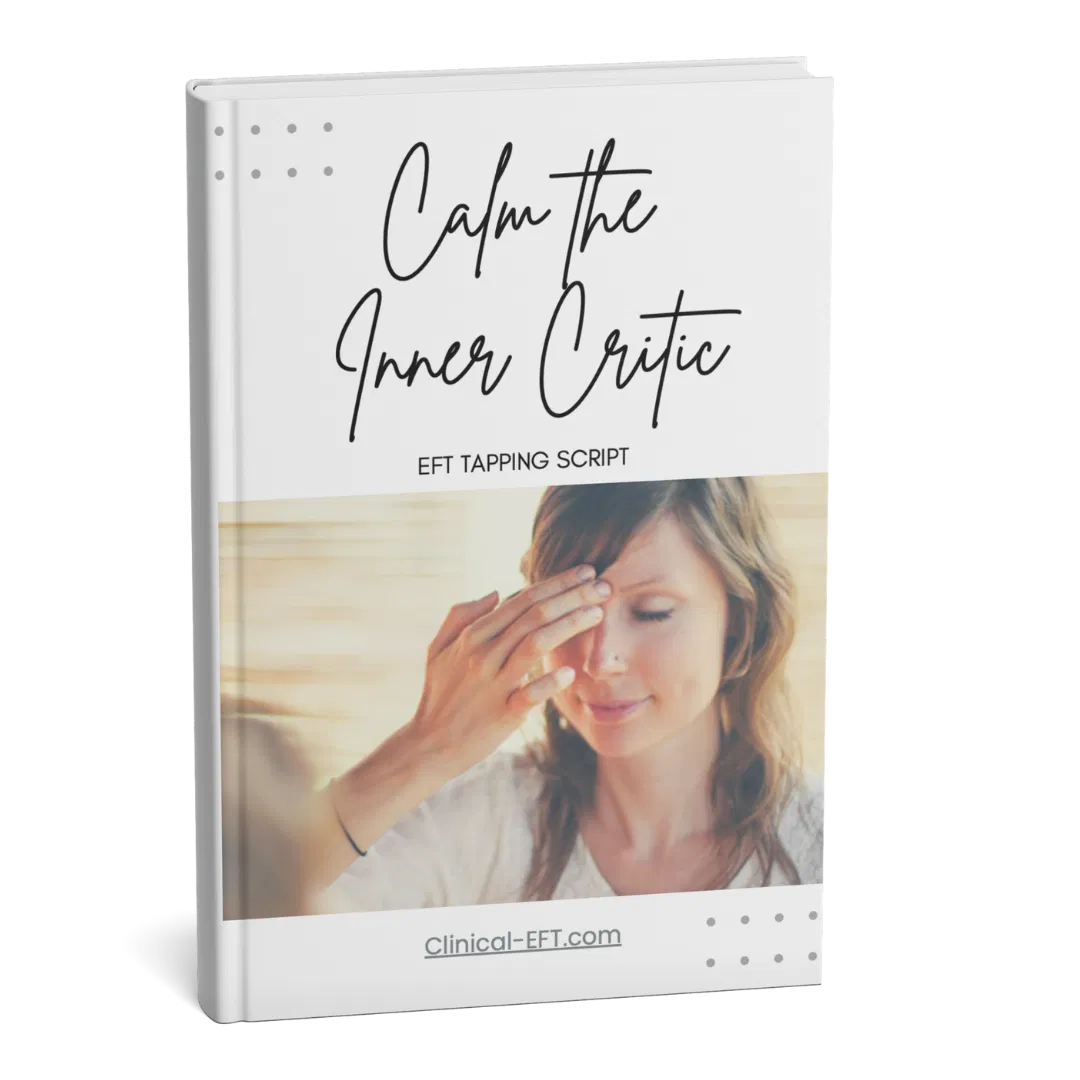
If you’re curious to try gentle, body-based support for rest-guilt, I’ve created a free EFT tapping guide. Inside, you’ll find tapping rounds and scripts you can use whenever self-doubt or “should” thinking makes slowing down a struggle. There’s no pressure to be perfect—just a compassionate tool to help you experiment with more ease.
Step 2: Use Micro-Moments of Rest to Rebuild Nervous System Safety
Once you’ve uncovered the root of your rest-guilt, the next step is helping your body practice safety in stillness—bit by bit.
For many women, especially those with high-functioning anxiety or unresolved trauma, longer stretches of downtime can feel overwhelming. Their nervous system has been trained to stay in a chronic “on” state, and slowing down can trigger survival responses that make rest feel unsafe.
That’s why we start small.
Micro-Doses of Nervous System Regulation
Instead of pushing for long rest periods, try building calm in tiny, repeatable pauses throughout your day:
-
30–60 seconds of slow, mindful breathing (even in the car or between calls)
-
Placing a hand on your heart, eyes closed, just for a breath
-
Stretching between tasks, sipping tea slowly, or checking in with your body
They may seem small, but your nervous system learns through repetition. Each micro-pause becomes a deposit into your body’s “bank of calm.”

Building Rest Capacity
We treat this like progressive training for your nervous system:
-
Week 1: 30-second breathing pauses
-
Week 2: 2-minute mindful moments
-
Week 3: 5-minute rest periods without guilt
This gradual approach prevents overwhelming your system and rewires your body to trust stillness again.
How I Support Clients With This:
In private coaching and my Inner Harmony program, I help you integrate these practices in ways that feel natural—not like another task on your to-do list. Together we:
-
Weave rest into your daily rhythm in ways that fit your real life, not an idealized version of it
-
Use EFT Tapping to release pressure around “earning” or “deserving” rest, so slowing down feels unconditional
-
Support protective parts of you that resist rest through Inner Child Work, helping younger parts of you feel safe enough to soften
-
Create personalized tools—from custom tapping scripts to grounding practices—that match your unique nervous system needs
Clients often tell me these small shifts become their anchor points—moments of steadiness that carry them through even their busiest days. They’re surprised by how much emotional relief and nervous system regulation comes from something so simple.
Step 3: Reframe Rest as Radical Self-Respect (And Essential Nervous System Maintenance)
The final shift is rewriting the story. Rest isn’t indulgent. It isn’t something you “earn” after pushing to exhaustion. Rest is a non-negotiable act of self-respect—and the foundation for a healthy, resilient nervous system.
Catch and Challenge Old Narratives
Start noticing the scripts that run in your mind when you pause: “I’m lazy. I’m wasting time. I should be doing more.”
Then gently replace them with truths that affirm your worth:
-
Rest is how I care for myself.
-
I am worthy of peace and renewal.
-
Taking time restores me so I can show up more fully.
Boundaries as Self-Care
Saying “no” isn’t selfish—it’s an act of protection. Begin small. This week, say no to one task or request that cuts into your rest. Use simple language, such as:
-
“I’d love to help, but I need to pause right now—can we check in later?”
-
“This matters to me, and I also need rest. I’ll come back when I can give it my full attention.”
Notice how your body responds, and remind yourself: boundaries are rest in action.
Create a Rest Ritual
Your nervous system craves familiarity. Simple rituals anchor stillness and make it feel safe:
-
Light a candle or diffuse oils
-
Sip tea slowly, without distractions
-
Gentle breathing or stretching before bed
Over time, your body begins to recognize rest as familiar, not threatening.

How I Support Clients With This:
Restoring rest as an act of self-respect is one of the deepest shifts my clients experience—and it goes far beyond “mindset.” In private coaching and my signature Inner Harmony program, we:
-
Unpack cultural, family, and personal conditioning that tied worth to productivity
-
Use EFT Tapping to release guilt and shame around saying no, slowing down, or caring for yourself
-
Reassure the younger parts of you that fear rejection or disapproval if you rest
-
Design personalized rest rituals that feel doable and nourishing, so you don’t have to wonder what will help
Together, we help your nervous system embrace rest as both safe and essential. This isn’t about adding another task to your list—it’s about changing your relationship with yourself.
Clients often describe this as a profound turning point. Rest shifts from being a “luxury” they rarely allow to a sustainable rhythm that leaves them more grounded, clear, and confident—not only in rest, but in life.
Why This Works:
When rest is conditional, it always feels fragile. But when it’s reframed as self-respect, it becomes unshakable.
This shift helps you:
-
Rewire old beliefs so rest feels safe—and necessary
-
Strengthen boundaries that protect your energy and resilience
-
Anchor rest in ritual, activating your body’s calm response and building consistency
Instead of fighting your need for rest, you begin honoring it. And when you do, you’re not just resting more—you’re relating to yourself differently.
✨ From guilt to grace. From hustle to harmony. That’s the power of rest, reclaimed.

Common Questions About Overcoming Rest Guilt
“I’ve told myself to rest before, but I still feel guilty. Why doesn’t it work?”
Great question—and one I hear often. The short answer? Because guilt around rest isn’t just a mindset issue—it’s a nervous system pattern stored in your body. You might know you deserve rest, but if your body feels unsafe slowing down, logic alone won’t override those protective responses. That’s why we use body-based tools like EFT Tapping, Inner Child Work, and micro-rest—so your nervous system learns safety, not just your mind.
“What if I don’t have time to rest?”
This is one of the most common concerns—and I hear you. Your plate is full. But rest isn’t about carving out hours of free time. It’s about how you meet yourself in the in-between moments. Even 30 seconds of intentional pause can shift your internal state. You don’t have to overhaul your life—you just need small, consistent steps. That’s what we focus on in our work together: rest that’s doable, not dramatic.
“I’ve tried things before, but nothing really helped me rest without guilt. What makes this different?”
You’re not alone in feeling this way. What makes this different is how we approach the problem: from the inside out. Instead of forcing rest or adding another routine to your to-do list, we gently uncover what’s underneath the resistance—what your body, beliefs, or protective parts are trying to shield you from. And we meet those parts with compassion, not control. That’s where lasting change begins. And you don’t have to do it alone.
If you’ve felt stuck in the guilt-rest cycle, know this: it’s not your fault. You don’t need more willpower—you need safety. And that’s what this work is here to offer you.
If you’ve felt stuck in the guilt-rest cycle, know that you aren’t alone. Support is always available, whether you’re using these tools on your own, working with a professional, or reaching out to someone you trust. My work is about walking beside you as you explore rest not as a reward, but as a radical act of self-respect. However you get there, you deserve it.
With warmth and support,
🌿 Kay